

Mixtape: “What’s the Frequency, Kenneth?”
R.E.M.’s “What’s the Frequency, Kenneth?” gives us a useful question for the tile industry: Are we connecting with the people we hope to reach and pass knowledge onto—or simply broadcasting?
I see contractors, consultants, inspectors, and educators who possess tremendous knowledge and genuinely want to pass it along. I also see emerging installers and business owners who want to learn, build successful companies, and contribute.
Yet after years of participating in committees, training programs, and industry events designed to bring those people together, I sometimes wonder whether we are broadcasting on different frequencies.
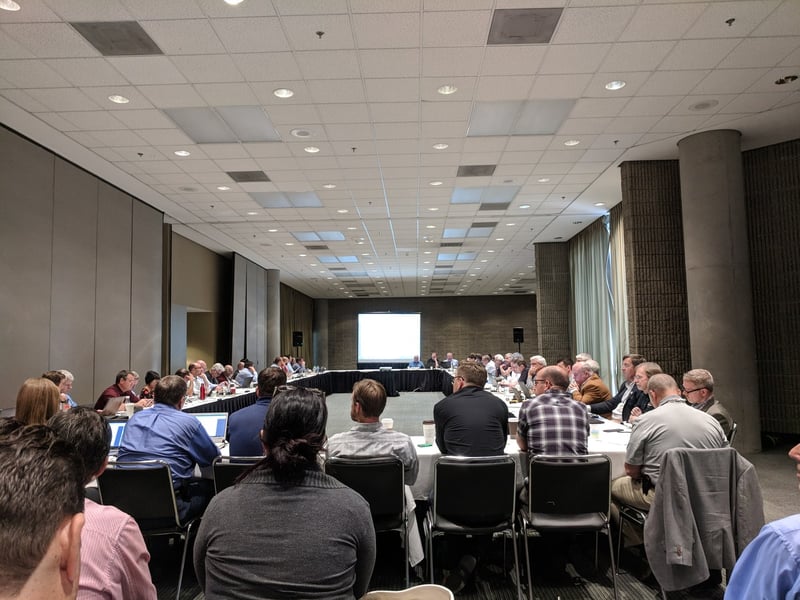
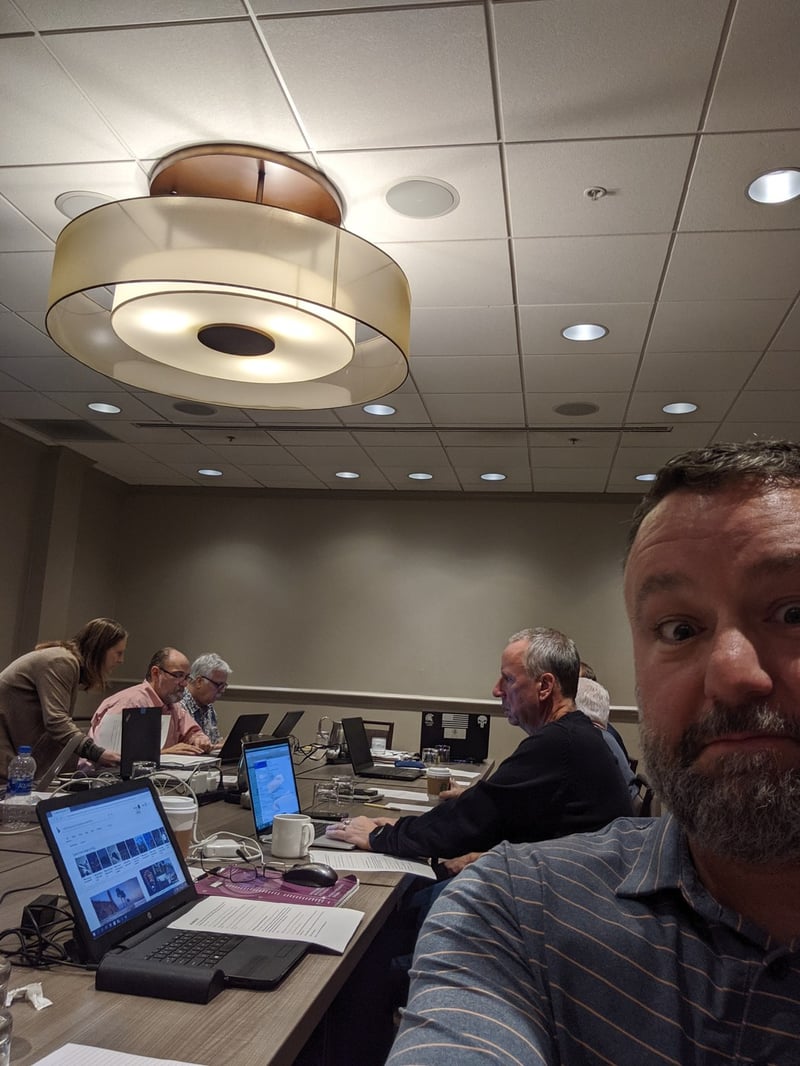
Being in the same convention center, classroom, or committee room is not the same as being connected. If we want industry events to do more than put familiar faces back in familiar conversations, we have to be willing to cross the room.
This is more than a communications problem. It is a succession problem.
We Have Something Worth Passing Down
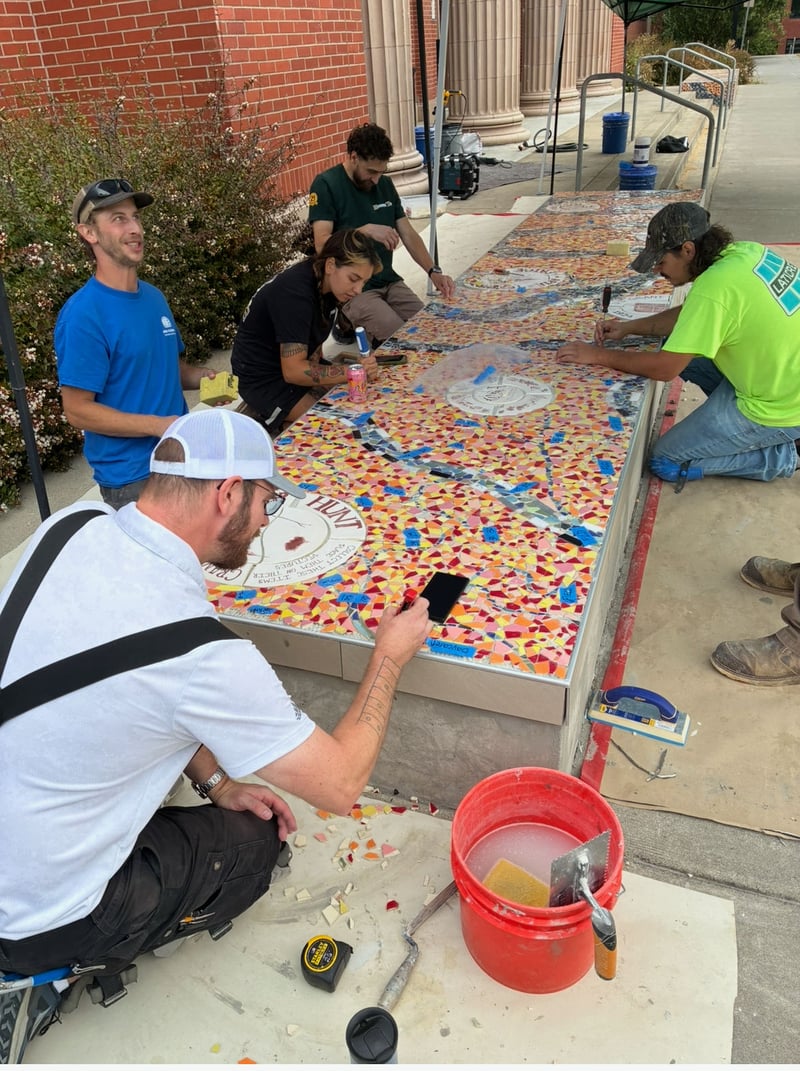
The tile industry has an extraordinary amount of institutional knowledge. People have spent decades studying methods and standards, debating technical details, and learning lessons that are difficult to capture in a manual or social-media post.
Our ANSI specifications and the installation methods in the TCNA Handbook represent generations of people investing time to document what works, examine what fails, and establish a common technical foundation.
Experienced consultants and inspectors are retiring. Standards and Handbook committees need new participants. Companies need future leaders. Associations need future volunteers. The work will continue to matter even when the people doing it today are no longer available.
For years, I have sat through meetings where people ask the same question: How do we get the next generation involved?
Sometimes the answer begins with something much smaller than a recruitment strategy. It begins with making someone feel that they belong.
“I Hope You Stay Around”
Early in my career, I gravitated toward people who had been in the industry much longer than I had. I was not interested in them because they were older. I was interested because they had something I did not have: experience.
At the Noble Company Smoker during Coverings in 2013, I was in my mid-30s and talking with James Woelfel. Somewhere in that conversation, James looked at me and said, “You know what...I like you. I hope you stay around.”
I did.
I kept showing up, asking questions, listening, and becoming involved. Relationships with people who had already made mistakes I had not yet had the opportunity to make changed the course of my career.
That exchange did not hand me a career or a leadership role. It made me feel seen by someone I respected. Years of showing up after that did the rest.
I had to show up where they were. Today, those of us who benefited from that model also have to ask whether we are willing to show up where emerging professionals are.
Broadcasting Isn’t the Same as Communicating
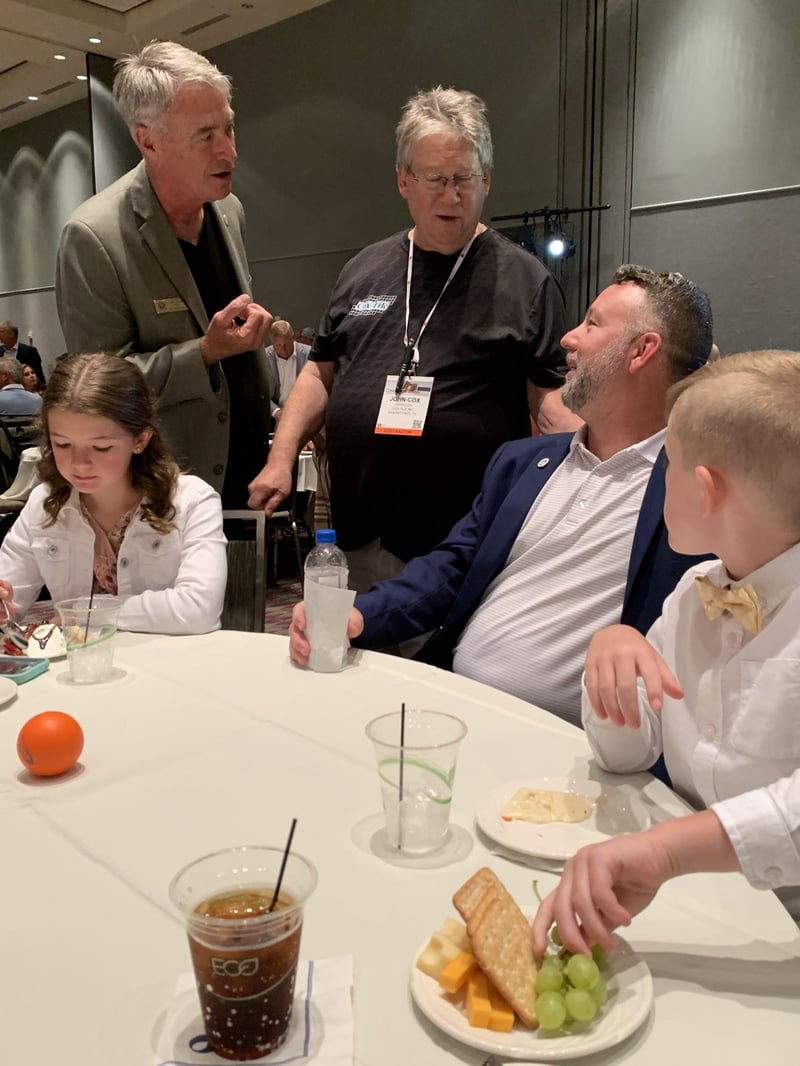
Some of us build relationships through association meetings, committees, training events, and technical discussions. Others connect through group chats, YouTube, Instagram, Reddit, podcasts, and online contractor communities. Many do both.
These preferences do not divide neatly by age. But a disconnect develops when one group keeps asking people to come into the room while another wonders why the conversation is not happening where they already are.
Neither approach is automatically wrong. Having valuable information, however, is not enough if the intended audience never receives it.
Established organizations can also be difficult to enter when you do not understand the procedures, recognize the acronyms, or know whether a meeting welcomes newcomers. What feels familiar to a longtime participant may feel inaccessible to someone attending for the first time.
An invitation helps. So does explaining what happens next: whom to contact, what a committee does, and how someone can begin contributing.
We cannot keep asking why new people are absent without examining how we welcome them.
Reach and Experience Need Each Other
Social media allows an installer to share an idea with thousands of people in minutes. That reach is valuable to an industry trying to educate more people and attract new talent. But reach alone does not establish technical credibility.
If you want to influence the industry, invest in understanding it. Learn how standards are developed and why methods exist. Listen to manufacturers, contractors, consultants, inspectors, and technical experts. Participate in discussions where people disagree. Ask questions when you do not know the answer.
Influence becomes more valuable when it is supported by depth.
The responsibility runs in both directions. Experienced professionals cannot dismiss online conversations because they are unfamiliar or informal. Useful relationships can begin there, and people with substantial knowledge are not always the people with the largest audiences.
We need to connect that knowledge with the people who can use it.
The answer is not to water down standards or turn every technical discussion into entertainment. Standards, methods, craftsmanship, and professionalism still matter. What may need to change is how we introduce them—and invite people into the work behind them.
Make the First Step Easier
The next generation does not need to become the previous generation. They will build different companies, communicate differently, and use different technology. They will also need opportunities to understand the work they will eventually help carry forward.
Trust develops when people work together, exchange ideas, follow through, and learn what each other cares about. Established leaders have a responsibility to create those opportunities, not simply wait for promising people to become familiar faces.
At your next industry event—whether Tile Solutions Plus, TISE, Coverings, or a local training—plan for more than the show floor.
If You Are an Established Industry Professional
- Introduce yourself to someone you do not already know. Ask what they are working on and what they want to learn.
- Explain the purpose of a committee or volunteer role instead of assuming the path is obvious.
- Offer an introduction to someone whose experience could help them.
- Follow up. A welcome means more when it continues beyond the first conversation.
If You Are Newer to Industry Participation
- Contact an association or event organizer beforehand and ask where a first-time participant can begin.
- Ask whether a committee meeting welcomes observers and what you should know before attending.
- Introduce yourself to someone whose work you respect. Bring a specific question.
- Ask about a manageable volunteer assignment, then follow through.
You do not have to arrive knowing everyone. And you do not have to wait until you feel like an expert to ask how you can help.
So...What’s the Frequency?
I am becoming less concerned about where the conversation starts. It might be an association meeting, a contractor forum, a Zoom call, a reception, or a two-minute video that eventually puts a TCNA Handbook in someone’s hands.
I am more concerned that we turn that first connection into an ongoing relationship.
If you want to become more involved but do not know where to start, reach out to me before an industry event or find me there. Tell me what interests you and where you would like to contribute. I may not have every answer, but there is a good chance I know someone you should meet.
I am not exactly the thirty-something contractor walking into the Noble Smoker anymore. Somewhere along the way, I became one of the people in the middle: still learning from those who came before me, with a responsibility to welcome those coming next.
James’s invitation stayed with me. Each of us can offer someone else that same reason to return.
The frequency may change. The responsibility to pass along what we have learned—and the responsibility to listen closely enough to receive it—does not.
Thanks for reading!
CTEF Mixtape - Series Description

CTEF Mixtape uses music and cultural touchstones to start conversations about the people, culture, leadership, and future of the tile trade. Each installment connects a familiar song or reference to the challenges and opportunities shaping our industry today, helping us look at where we've been, where we're going, and what we can learn from one another along the way.